


visiting katra during monsoon: what you should know
- TravelKatra in Monsoon: The Version Most People Haven't Considered
Most people planning a Vaishno Devi pilgrimage immediately think October or the Navratri window in April. The crowds, the energy, the peak pilgrimage season that the calendars and the travel guides point toward. Katra during monsoon, July through September, doesn't appear on those lists as often, and that's partly why it's worth talking about honestly. Visiting Katra during monsoon is a real option with real advantages and a few things you need to know before you decide. This isn't about talking you into something. It's about giving you the full picture so you can make the right call for your trip.
What the Monsoon Actually Does to Katra
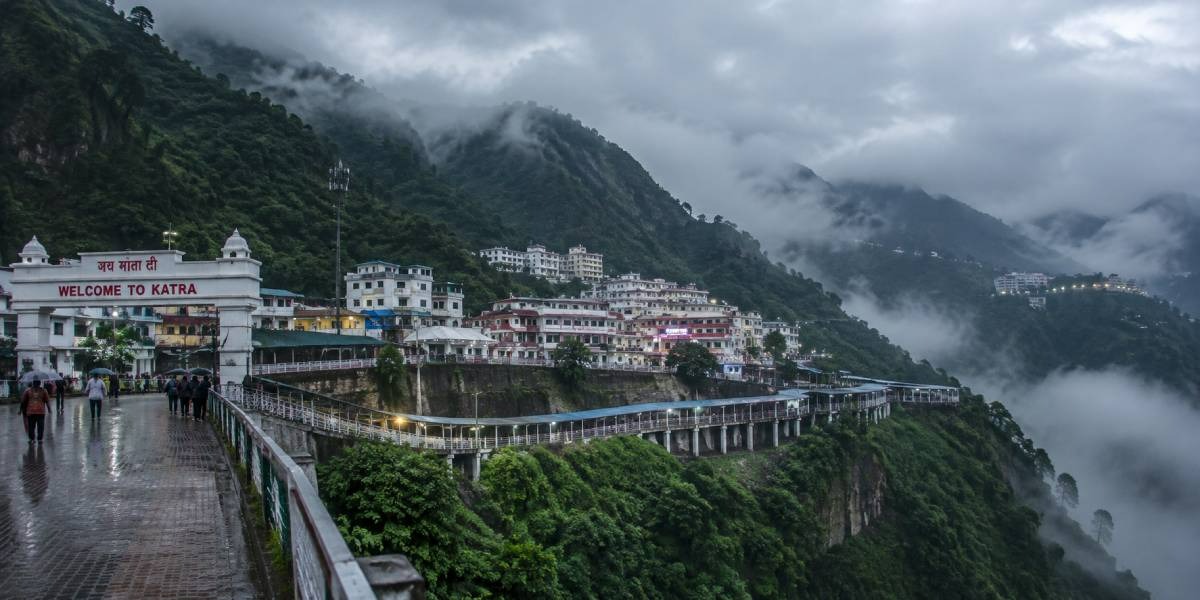
The Trikuta Hills above Katra receive the Western disturbance and the tail end of the monsoon system through July and August. What this means practically is rain, sometimes heavy, sometimes intermittent, sometimes arriving in the afternoon after a clear morning. The hills turn extraordinary green. The waterfalls that barely exist in the dry months appear on every hillside. The air is clean and cool in a way that the summer heat and the October dust don't produce.
Katra during monsoon is also significantly less crowded than the peak windows. The accommodation is more available, the rates are better, and the town has a different pace, the local version rather than the pilgrimage peak version. For the traveller who finds the Navratri crowds overwhelming, visiting Katra during monsoon gives the spiritual experience without the logistical intensity of moving through a town at maximum capacity.
The other side of the monsoon in Katra is the unpredictability. The weather can change within hours. A clear morning can become heavy rain by noon. The trek route can become slippery. Visibility from the higher points can close entirely. None of this makes the trip impossible, it makes it something you prepare for rather than assume your way through.
What Changes in the Vaishno Devi Trek in Monsoon
The 14-kilometre trek to the Bhavan shrine doesn't close during the monsoon unless there's a specific weather warning or a safety alert from the shrine board. The route continues to operate with the usual permit system through Banganga. What changes is the conditions underfoot.
The stone path gets wet and can be slippery in sections. Proper waterproof footwear is not optional during monsoon, it's the specific thing that determines whether the trek is comfortable or genuinely difficult. The regular canvas shoes or the sandals that work fine in October are a different proposition on a wet monsoon trail.
The crowds at the Bhavan shrine are significantly thinner than the peak season. The waiting time for darshan, which can run hours during Navratri, is generally much shorter during the monsoon months. For the pilgrim whose priority is the spiritual visit rather than the specific seasonal energy of the peak festival, visiting Katra during monsoon gives the darshan without the queue.
The helicopter service to Sanjhi Chhat operates during monsoon but is weather-dependent. Fog and rain can ground the helicopters for hours or for the day. If you're counting on the helicopter for the pilgrimage, particularly for elderly family members or young children, build significant time flexibility into the trip and have a walking plan as the alternative.
What to Pack for Visiting Katra During Monsoon
Waterproof trekking shoes, the specific item that makes or breaks the monsoon trek. A good rain jacket that actually keeps you dry rather than the tourist poncho that manages it for about twenty minutes. A dry bag or waterproof cover for the phone and any documents you're carrying on the trek. Quick-dry clothing because the monsoon means you may get wet more than once in a day and cotton takes too long to dry in this humidity.
Layers for the evenings, Katra during monsoon has cool evenings even when the days are warm, and the temperature drops further at elevation on the trek.
What Katra Offers Beyond the Trek in Monsoon
The Trikuta Hills in monsoon are genuinely beautiful for anyone who takes a day away from the trek. The Anji Khad river running full and fast. The viewpoints above the town producing the green and misty version of the Jammu hills that the dry season doesn't offer. The local market in Katra town moving at the pace that the monsoon quietness allows. The Katra area has natural beauty that the pilgrimage focus often means visitors don't spend time with, the monsoon is actually the best season to slow down and notice it.
The Monsoon Stay Worth Choosing
For visiting Katra during monsoon in an accommodation that handles everything the season produces, Ramada by Wyndham Katra is the property worth getting genuinely excited about. 62 rooms and suites, swimming pool, spa, restaurant running the vegetarian menu the Vaishno Devi pilgrimage requires, travel desk for helicopter bookings and trek permits, 24-hour front desk. Katra during monsoon with this as the base means the warm room after a wet trek, the kitchen running at the hours the pilgrimage schedule produces, and the spa for the recovery that a monsoon mountain trek specifically calls for.
Book your Katra getaway now : Ramada Katra